
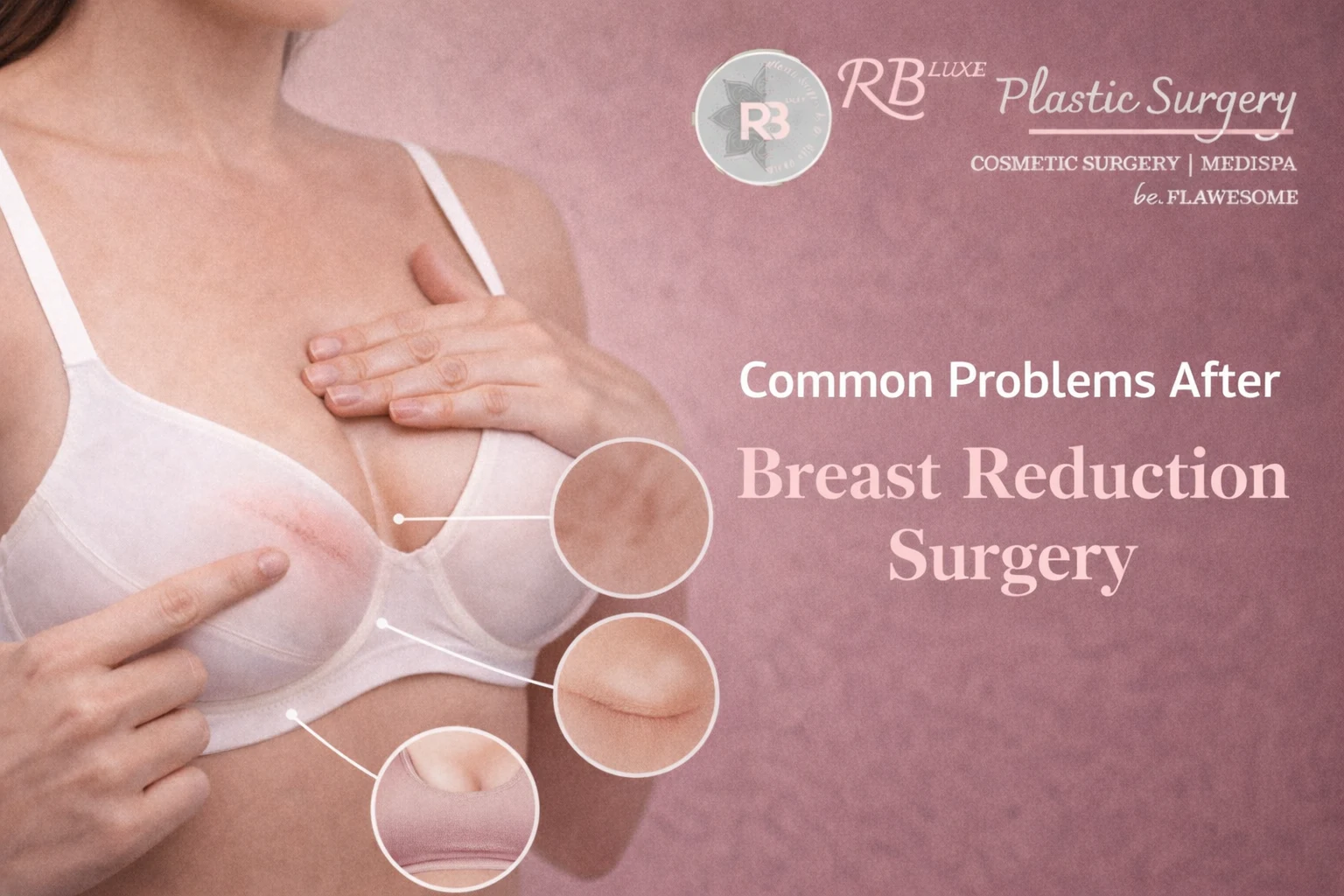
Breast reduction surgery, or reduction mammoplasty, is a transformative procedure that provides significant relief from the physical and emotional discomfort caused by overly large breasts. Many women choose this surgery to ease chronic neck and back pain, reduce skin irritation, improve posture, and enhance confidence. At a Cosmetic Surgery Clinic in Ludhiana, the procedure is safe and highly effective, but it is still a major surgery, and understanding potential postoperative challenges helps patients feel more prepared and confident during recovery. Being aware of what to expect allows individuals to navigate healing with ease and avoid unnecessary worry.
Table of Contents
Toggle1. Swelling and Bruising
Swelling and bruising are the most common side effects experienced after breast reduction surgery. These occur because surgical reshaping involves tissue manipulation, leading to temporary inflammation. The body responds with fluid accumulation and altered circulation in the treated area, which can make the breasts feel heavy, tight, or tender. Mild discoloration is also expected. While these symptoms can be concerning, they are temporary and begin to diminish significantly within the first few weeks. The majority of patients observe noticeable improvement as their body adjusts and inflammatory responses settle down.
2. Pain and Discomfort
Experiencing mild to moderate pain after surgery is completely normal. During the initial week, individuals may feel soreness near the incisions, tightness from internal sutures, and discomfort when raising their arms. These sensations are part of the natural healing process and gradually decrease as swelling subsides and tissues soften. Most patients find that discomfort improves each day steadily and becomes manageable with rest and proper care.
3. Scarring
Like any procedure involving incisions, breast reduction surgery results in scarring. The scar pattern varies depending on the technique used: some may have anchor-shaped scars, while others may have vertical or areolar-only scars. Although scars are unavoidable, they tend to fade significantly over time. Proper aftercare—such as using recommended silicone-based products, maintaining minimal tension on incisions, and practicing gentle scar massage—can improve their appearance. With patience and care, scars typically become lighter, softer, and far less noticeable.
4. Changes in Breast or Nipple Sensation
Temporary changes in sensation are another common experience after breast reduction. Nerves may be stretched or interrupted during tissue removal, leading to numbness, tingling, or heightened sensitivity. These sensations often fluctuate during the healing period and generally improve as nerve pathways regenerate. While full recovery can take several weeks or months, many patients regain normal or near-normal sensation gradually over time.
5. Wound Healing Problems
Some patients may encounter slower wound healing, particularly around incision sites. Contributing factors include tension on the sutures, friction, moisture, smoking habits, diabetes, or individual variations in healing ability. Indications of delayed recovery may include redness, warmth, slight separation of the incision, or fluid leakage. Addressing these early prevents complications and promotes smoother healing. Fortunately, most minor delays resolve naturally as long as proper wound care is maintained.
6. Infection
Although rare, infections can occur following breast reduction surgery. Signs include increasing redness, fever, warmth around the breast, heat-associated swelling, or pain that intensifies instead of diminishing. Recognizing these symptoms early is crucial, as prompt management helps ensure that healing continues without interruption. When addressed quickly, infections typically resolve without impacting long-term results.
7. Breast Asymmetry
It is normal for breasts to appear uneven during the healing process. One breast may swell more or heal slightly faster than the other, creating temporary asymmetry. Pre-existing natural differences in breast shape or size can also become more noticeable. Final symmetry cannot be evaluated immediately after surgery. It usually takes three to six months for swelling to reduce and tissues to settle into their final position. Once healing is complete, most patients achieve a balanced, natural look.
8. Difficulty With Arm Movements
Restricted arm movement is common in the early recovery phase. Tightness in the chest area and healing tissues can make raising or rotating the arms uncomfortable. This stiffness improves gradually as swelling decreases and mobility returns. Patients typically regain full range of motion within a few weeks as their body adapts to the changes and the discomfort subsides.
9. Fluid Accumulation (Seroma)
A seroma is the build-up of clear fluid beneath the skin and may appear as a soft pocket or swelling. This can happen due to tissue movement during surgery or the body’s natural healing response. While seromas can feel unusual, they are usually harmless and tend to resolve with proper care. Compression garments and follow-up guidance help reduce the chances of fluid accumulation and support smoother recovery.
10.Internal Stitch Reactions
As dissolvable sutures break down, small knots, bumps, or firmness under the skin may appear. These reactions can cause mild itching or sensitivity, but are a completely normal part of healing. Over time, the sutures dissolve fully, and these sensations disappear without requiring any additional treatment.
11.Emotional Ups and Downs
Recovering from any major surgery can trigger emotional fluctuations. Patients may experience moments of anxiety, impatience, self-doubt, or temporary regret in the early healing stage. These feelings often arise due to hormonal shifts, physical discomfort, and adjusting to changes in breast size and appearance. As swelling reduces and results begin to take shape, most individuals feel reassured, confident, and increasingly satisfied with their transformation.
12. Delayed Final Results
It’s important to understand that final results are not immediate. Breast reduction healing happens in stages.
- Weeks 1–3: noticeable swelling and bruising
- Months 2–3: breast shape begins to refine
- Around Month 6: final results become more visible
Patience is key. As the body settles, the breasts become softer, more symmetrical, and more natural in appearance.
Why Choose Dr. Ritu Baath for Breast Reduction Surgery in Ludhiana?
Choosing the right surgeon plays a major role in achieving safe and satisfying outcomes. Dr. Ritu Baath in Ludhiana is known for her advanced surgical expertise and patient-focused approach. She creates personalized plans based on individual goals, ensuring every woman receives treatment tailored to her needs. Her clinic is equipped with modern technology and high hygiene standards, enhancing both safety and comfort. Comprehensive pre-operative evaluation and attentive post-operative care help support smooth healing and long-lasting results. With meticulous techniques designed to improve symmetry, minimize scarring, and create natural contours, Dr. Baath ensures that patients feel confident, informed, and supported throughout their surgical journey.
Conclusion
Breast reduction surgery offers life-changing benefits, from relieving physical strain to improving posture and self-esteem. Although patients may experience temporary issues such as swelling, discomfort, or sensation changes, these challenges are typically manageable and short-lived. With expert care and informed expectations, recovery becomes a smooth and empowering experience. For women considering Breast Reduction Surgery in Ludhiana, consulting an experienced surgeon like Dr. Ritu Baath can be an essential step toward achieving comfort, confidence, and a renewed sense of well-being.